A smile makeover is a personalized approach to improving the appearance, health, and function of the smile through one or more dental treatments. Rather than focusing on a single concern, we assess the teeth, gums, bite, alignment, and overall smile to determine which procedures may be appropriate. Depending on individual needs, a treatment plan may include Invisalign treatment, dental implants, veneers, professional teeth whitening, dental bonding, or other cosmetic and restorative procedures.
At Avon Terrace Dental, we take a personalized approach to dental and cosmetic care. We consider each patient’s existing oral health and smile goals before recommending treatment. Not every person needs several procedures, and a smile makeover should never mean combining treatments unnecessarily. Our aim is to create a treatment plan that addresses specific concerns while supporting a healthy, natural-looking smile.
What is a Smile Makeover?
A dental smile makeover is a customized combination of dental procedures designed to address several aspects of a person’s smile. While an individual cosmetic treatment may focus on one concern, such as tooth color or a small chip, a complete smile makeover can address multiple concerns together.
A smile makeover may consider:
- Tooth colour, including staining and discolouration
- Tooth shape and size
- Crooked or crowded teeth
- Gaps and spacing
- Missing teeth
- Chipped, cracked, or worn teeth
- Existing restorations that affect appearance
- Gum proportions and appearance
- Bite and alignment
- Overall facial and smile balance
The appropriate combination depends on the condition of the mouth and the outcome we are aiming to achieve. In some cases, cosmetic treatment may be relatively straightforward. In others, restorative or orthodontic care may need to take place before cosmetic procedures.
Who Can Benefit From a Smile Makeover?
A smile makeover may be considered by people who have several concerns affecting the appearance or function of their teeth. These can include stained or discoloured teeth, chips, cracks, worn enamel, gaps, crowding, crooked teeth, or missing teeth.
People with multiple cosmetic concerns may particularly benefit from comprehensive planning because addressing each issue separately may not produce the desired overall result. We can assess the smile as a whole and determine which treatments are suitable.
What Does a Smile Makeover Include?
There is no standard list of procedures included in every smile makeover. Instead, we select treatments according to the patient’s oral health, cosmetic objectives, functional needs, and long-term considerations.
1. Professional Teeth Whitening
Professional teeth whitening can improve the colour of natural teeth by reducing certain types of staining and discolouration. It may be considered when the main concern is a dull or uneven tooth shade.
Professional whitening is planned around the condition of the teeth and gums and is different from relying solely on over-the-counter whitening products. We can assess whether whitening is appropriate and explain what level of improvement may reasonably be expected.
Whitening may also be performed as part of a broader treatment plan. For example, a patient may use whitening to improve the colour of natural teeth before another cosmetic procedure so that the overall shade can be considered during treatment planning.
2. Porcelain Veneers
Porcelain veneers are thin restorations designed to cover the visible front surfaces of suitable teeth. They can be used to alter aspects of tooth appearance such as colour, shape, size, and proportions.
Veneers may be considered for concerns including certain discoloration, minor shape irregularities, worn-looking teeth, or selected spacing concerns. However, veneers are not suitable for every patient or every tooth.
Before recommending veneers, we assess tooth structure, gum health, bite, existing restorations, and the patient’s expectations. Careful planning is important because veneers are intended to provide a durable cosmetic solution rather than simply changing the appearance of a single tooth.
3. Dental Bonding
Dental bonding uses tooth-coloured composite material to repair or reshape suitable teeth. It may be used for minor chips, small gaps, irregular edges, or subtle changes to tooth shape.
One advantage of bonding is that it can be a relatively conservative cosmetic option when compared with treatments that require more extensive alteration of the tooth. The appropriate approach depends on the location and extent of the concern, the condition of the tooth, and the expected longevity of the restoration.
4. Invisalign Treatment
Invisalign treatment uses a series of clear aligners to gradually move teeth into planned positions. For suitable patients, it can address certain alignment, crowding, and spacing concerns.
When alignment contributes significantly to the appearance of the smile, orthodontic treatment may be considered before other cosmetic procedures. Improving tooth position can influence the final appearance and may help us determine whether additional cosmetic treatment is necessary.
Invisalign may therefore form one stage of a broader smile makeover rather than being considered separately from other treatments.
5. Dental Implants
Dental implants can be used to replace missing teeth. An implant-supported restoration can help restore both the appearance and function of an area where a tooth has been lost.
Replacing missing teeth can also contribute to the overall balance of the smile. Depending on the circumstances, implant treatment may be coordinated with other cosmetic or restorative procedures.
Suitability for dental implants depends on individual factors, including oral health, available bone, gum condition, medical history, and the specific requirements of the missing tooth area. A detailed assessment is necessary before implant treatment is recommended.
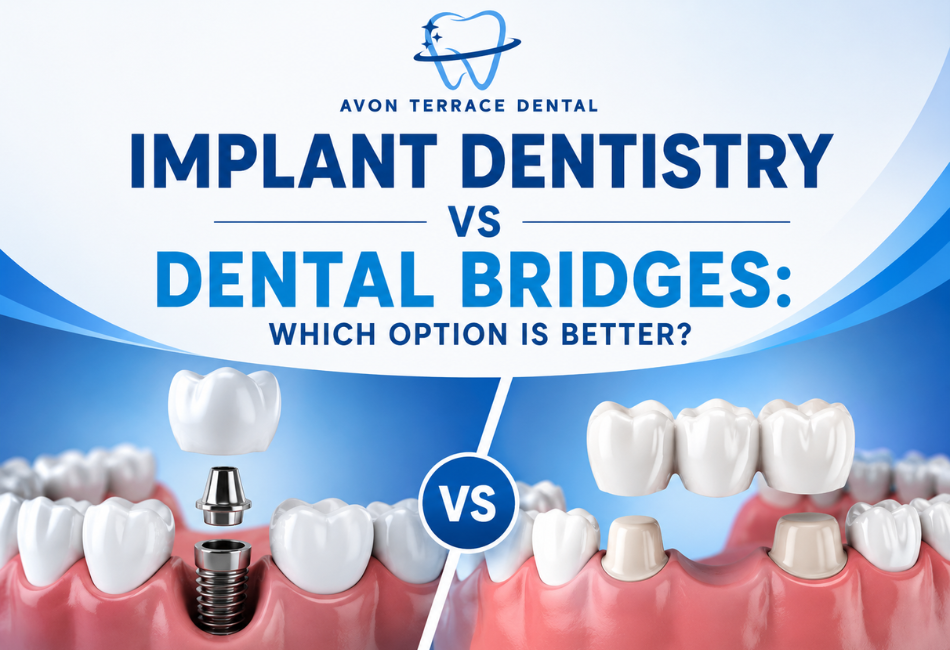
Interesting Read: Implant Dentistry vs Dental Bridges: Which Option is Better?
6. Gum Contouring and Other Treatments
The appearance of the gums can influence how much of the teeth is visible and how balanced the smile looks. In selected cases, gum contouring may be considered where the gum line contributes to an uneven appearance.
Other restorative or cosmetic procedures may also form part of a treatment plan where appropriate. These could include restorations for damaged teeth or other procedures designed to address specific functional or aesthetic concerns.
Common Smile Makeover Options
Because every smile has different requirements, there is no single combination that works for everyone. We determine the appropriate treatment sequence after assessing the teeth, gums, bite, alignment, and desired outcome.
1. Smile Makeover With Teeth Whitening and Veneers
Whitening and veneers may be considered together when tooth colour and tooth shape are both concerns. Whitening can improve the shade of suitable natural teeth, while veneers can alter the appearance of selected teeth.
The treatment sequence is important because the final colour of veneers cannot be changed through conventional tooth whitening once they have been placed.
2. Smile Makeover With Invisalign and Whitening
For patients with alignment concerns and tooth discolouration, Invisalign treatment and professional whitening may form part of the same overall plan.
Alignment can be addressed first, followed by whitening when appropriate. The precise sequence depends on the condition of the teeth and the treatments being considered.
3. Smile Makeover With Dental Implants and Cosmetic Treatments
When missing teeth are combined with other concerns, dental implants may be incorporated into a wider treatment plan. Other cosmetic procedures can potentially address the appearance of the remaining teeth where appropriate.
Comprehensive planning helps ensure that restorations and natural teeth are considered together rather than treated as unrelated problems.
4. Complete Smile Makeover
A complete smile makeover may involve several procedures when multiple dental concerns need to be addressed. However, comprehensive treatment does not mean every available procedure is required.
We focus on the treatments that are relevant to the patient’s needs. In some cases, a person may only require one or two procedures to address their primary concerns, while another patient may need orthodontic, restorative, and cosmetic treatment in stages.
What Are the Benefits of a Smile Makeover?
The potential smile makeover benefits depend on the procedures included and the patient’s starting condition.
1. A More Balanced Smile
Addressing tooth shape, spacing, alignment, proportions, and gum appearance can help create a more coordinated overall smile. Treatment is planned with the relationship between individual teeth and the smile as a whole in mind.
2. Improved Tooth Appearance
Cosmetic procedures may address visible concerns such as discolouration, chips, gaps, uneven tooth shape, and signs of wear. The appropriate procedure depends on the cause and severity of the concern.
3. Personalised Treatment Planning
A major feature of smile makeover dentistry is individual planning. Rather than automatically recommending the same procedures, we consider the patient’s oral health, preferences, priorities, and long-term requirements.
4. Improved Dental Function
Some smile makeover treatments can provide functional benefits in addition to cosmetic changes. Restorative treatment for damaged or missing teeth, for example, may help restore aspects of chewing and dental function.
5. Greater Confidence in Your Smile
Changes to the appearance of the teeth may help some people feel more comfortable smiling or interacting socially. However, individual experiences vary, and cosmetic treatment cannot guarantee a particular emotional or social outcome.
How is a Cosmetic Smile Makeover Planned?
A personalized smile makeover begins with assessing your teeth, gums, bite, and goals to determine suitable treatments and create a carefully sequenced plan for your needs.
1. Initial Dental Consultation
The process begins by discussing concerns, priorities, and desired outcomes. We may also review relevant dental and medical history to understand factors that could affect treatment.
This consultation provides an opportunity to discuss different smile makeover options, including their expected benefits, limitations, maintenance requirements, and alternatives.
2. Examination and Smile Assessment
A detailed assessment may include examination of:
- Teeth and gums
- Tooth alignment
- Bite
- Existing fillings, crowns, or other restorations
- Missing teeth
- Damaged or worn teeth
- Tooth colour
- Gum appearance
Depending on the proposed treatment, additional diagnostic information may be required.
3. Creating a Personalised Treatment Plan
Treatment order can be important. Where active dental problems are present, these may need to be addressed before elective cosmetic treatment.
For example, gum disease, untreated decay, damaged teeth, or other oral health problems may require attention before veneers or other cosmetic procedures are considered. Similarly, orthodontic alignment may be planned before restorative or cosmetic treatment when tooth position is an important factor.
4. Reviewing Treatment Choices
We discuss the proposed treatments and explain what each procedure is intended to address. Patients should understand the benefits, limitations, maintenance requirements, alternatives, and expected treatment stages before proceeding.
Not every patient needs multiple procedures, and a personalised plan should reflect actual dental needs rather than the number of treatments available.
How Long Does a Smile Makeover Take?
The duration of a smile makeover varies considerably between patients. A plan involving professional whitening or minor bonding may require considerably less time than one involving orthodontic treatment, implants, or multiple laboratory-made restorations.
Treatment duration can be influenced by:
- The number of procedures required
- Invisalign treatment duration
- Healing requirements
- Dental implant treatment
- Laboratory-made restorations
- Existing dental conditions
- The order in which procedures need to be completed
Because of these variables, an individual consultation is necessary to establish a realistic treatment timeline.
Is a Smile Makeover the Same as Cosmetic Dentistry?
Smile makeover dentistry and cosmetic dentistry are closely related, but they are not necessarily the same.
Cosmetic dentistry can involve individual cosmetic dentistry treatments designed to address a particular concern. Teeth whitening, veneers, and dental bonding are examples of treatments that may be performed independently.
A smile makeover, on the other hand, generally refers to a coordinated treatment plan involving one or more procedures selected to address several aspects of the smile. Depending on the patient’s needs, these cosmetic dental treatments may be combined with orthodontic or restorative procedures.
When Should You See a Dentist Before Starting Cosmetic Treatment?
Cosmetic treatment should not be used as a substitute for addressing active dental problems. We recommend a dental assessment when you have concerns such as:
- Toothache or persistent dental pain
- Bleeding or swollen gums
- Broken or damaged teeth
- Possible signs of infection
- Missing teeth
- Problems with existing restorations
- Significant sensitivity or other unexplained dental symptoms
If you have an urgent dental problem, an emergency dentist may be more appropriate than beginning elective cosmetic treatment. Once immediate concerns have been assessed and managed, cosmetic options can be considered where suitable.
Choosing the Right Smile Makeover Treatment
Choosing appropriate treatment involves more than deciding which procedure looks appealing. We consider the current condition of the teeth and gums, desired cosmetic outcome, tooth alignment, missing teeth, treatment duration, budget, and long-term maintenance.
The dentist’s assessment is particularly important because some procedures may be unsuitable for certain teeth or oral conditions. A dentist clinic in York can provide an assessment and explain which treatments may be appropriate based on your individual circumstances.
Patients should also consider how proposed treatments will need to be maintained over time and whether less invasive or alternative options could address the same concern.
Transform Your Smile With Avon Terrace Dental
A successful smile makeover begins with understanding the individual smile rather than selecting treatments from a standard list. Tooth colour, shape, alignment, missing teeth, gum appearance, bite, and existing dental conditions can all influence which procedures are appropriate and how they should be sequenced.
At Avon Terrace Dental, we take the time to assess your dental needs and discuss your smile goals before developing a personalized treatment plan. Whether you are considering whitening, veneers, Invisalign, dental implants, bonding, or a combination of suitable smile makeover treatments, we can help you understand the available options.
Frequently Asked Questions About Smile Makeovers
What is included in a smile makeover?
A smile makeover can include one or more treatments such as professional teeth whitening, veneers, dental bonding, Invisalign, dental implants, gum contouring, or restorative procedures. The exact combination depends on individual dental needs.
How much does a smile makeover cost?
The cost depends on the number and type of procedures required. Invisalign, implants, veneers, whitening, and restorative treatments have different costs. A personalised consultation is needed to provide an appropriate estimate.
How long does a smile makeover take?
Treatment time varies according to the procedures involved. Simple cosmetic treatment may be completed relatively quickly, while Invisalign, dental implants, and complex restorative work can require treatment over a longer period.
Is a smile makeover suitable for everyone?
Not every treatment is suitable for every patient. Oral health, gum condition, tooth structure, bite, alignment, and other factors must be assessed before a smile makeover plan is recommended.
Can Invisalign be part of a smile makeover?
Yes. Invisalign treatment may form part of a smile makeover when certain alignment, crowding, or spacing concerns need to be addressed. It may be combined with other treatments where appropriate.
Can dental implants be included in a smile makeover?
Yes. Dental implants may be included when missing teeth are part of the patient’s concerns. Suitability depends on individual oral health and other factors identified during the implant assessment.
Is a smile makeover painful?
The level of discomfort depends on the procedures involved. Some treatments involve little or no discomfort, while procedures such as dental implant treatment may involve a recovery period. Your dentist can explain what to expect.
How long do smile makeover results last?
Longevity depends on the treatments used, oral hygiene, diet, lifestyle, dental habits, regular check-ups, and maintenance. Different procedures have different expected lifespans and maintenance requirements.
Can I choose which treatments I want?
You can discuss your preferred treatments and cosmetic goals with your dentist. We can explain whether those treatments are suitable, what they can achieve, their limitations, and whether alternative options may be more appropriate.
Do I need healthy teeth and gums before cosmetic treatment?
Healthy teeth and gums are important before many cosmetic procedures. Conditions such as decay or active gum disease may need to be treated before elective cosmetic treatment can proceed.